
A landscape hotel hovering over a
historic salt lagoon in southern Portugal
Client
Self initiated
Location
Southern Portugal
Category
Hospitality, Wellness
Role
Lead Architect
Services
Architecture, Landscape Design, Masterplanning, Sustainability Strategy
Size
Timeline
2024 - ongoing
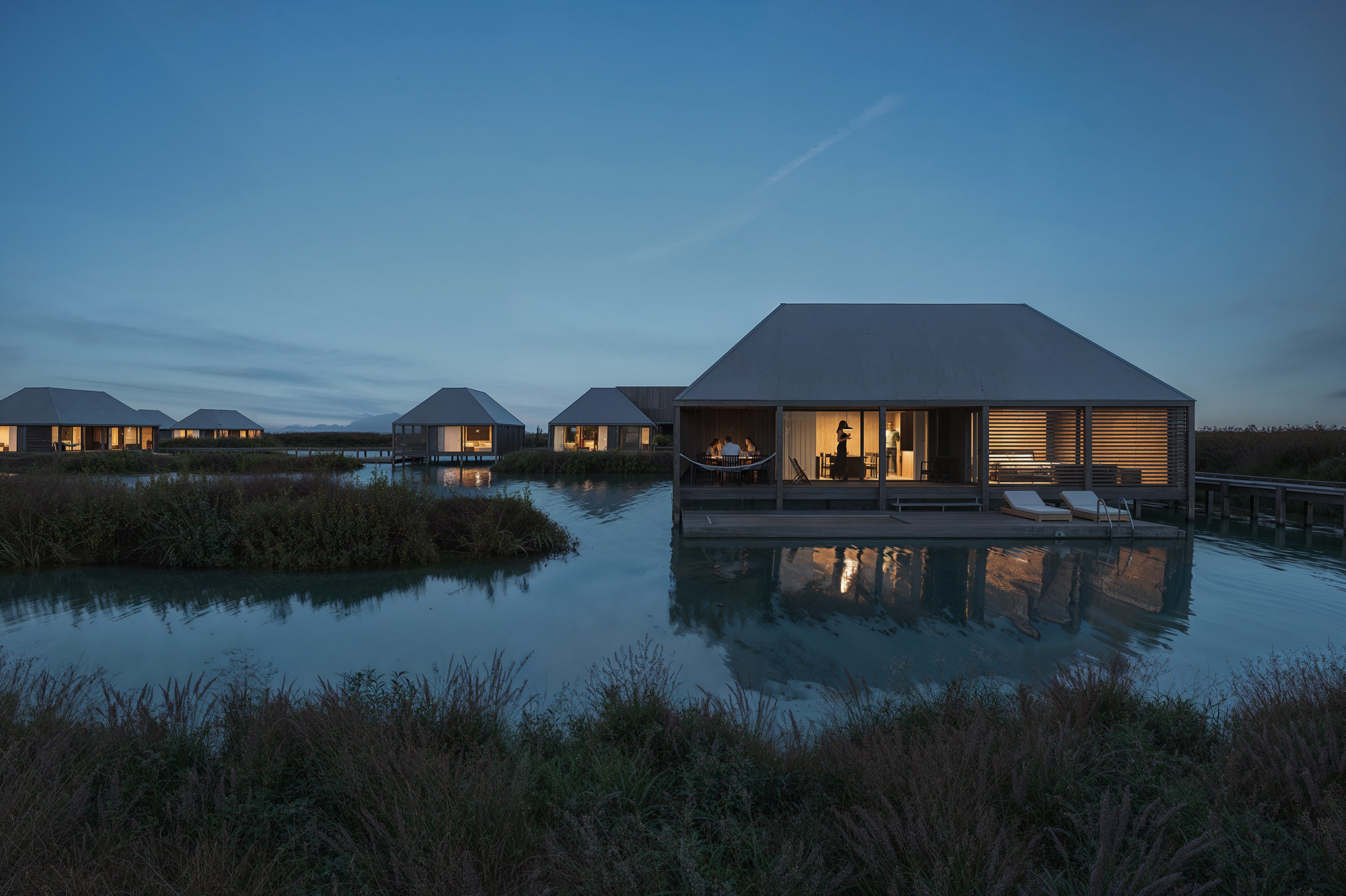
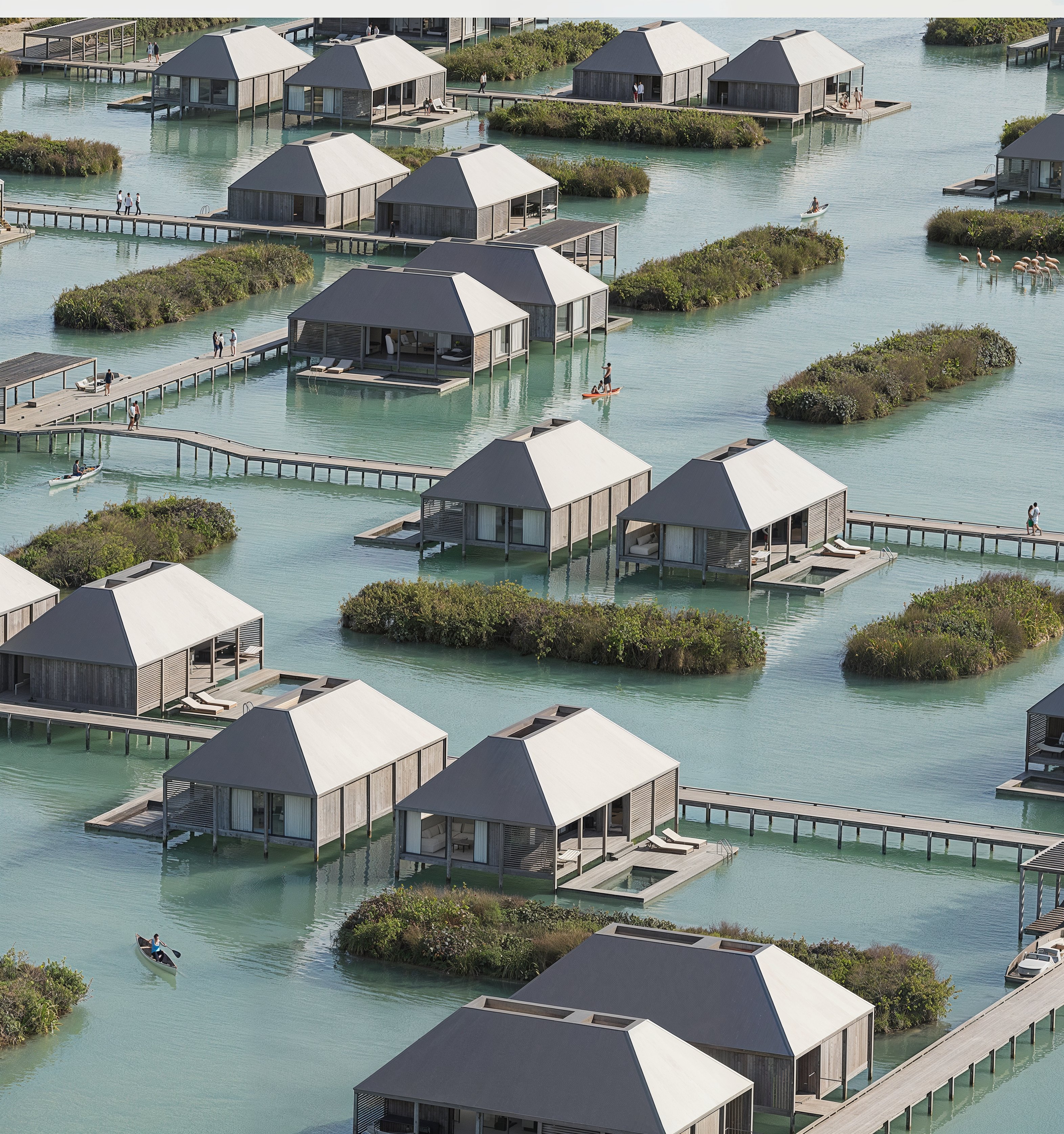
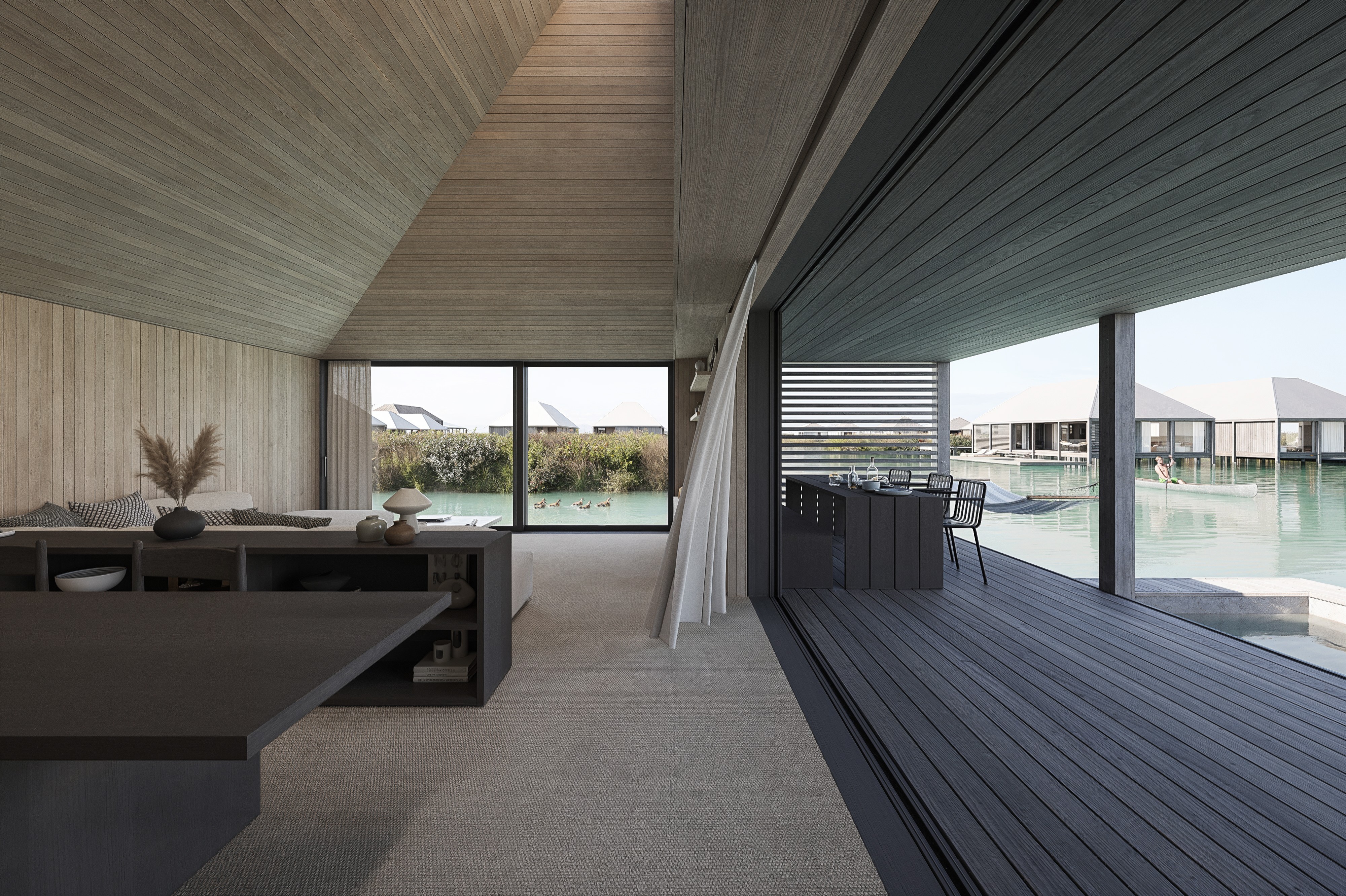
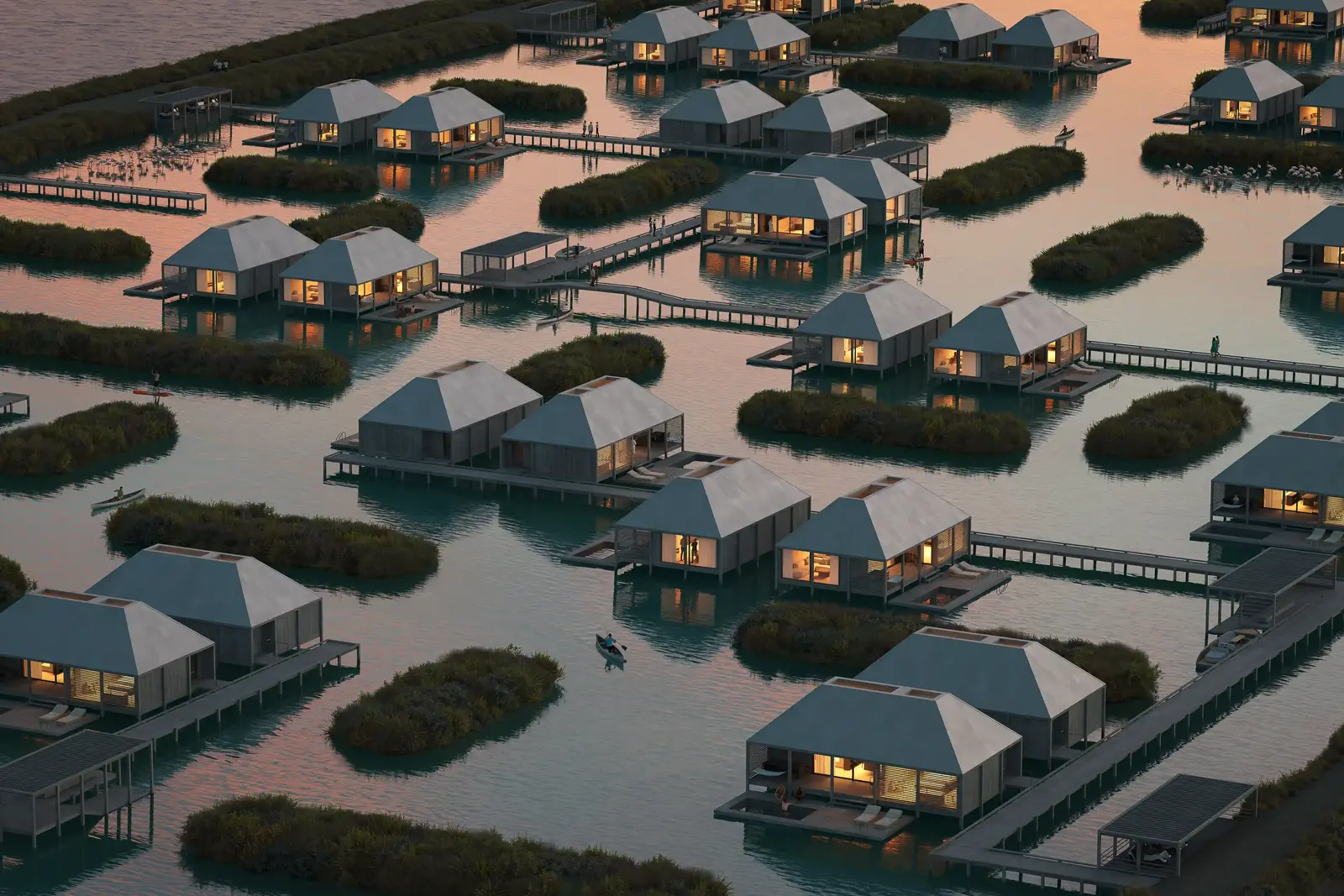
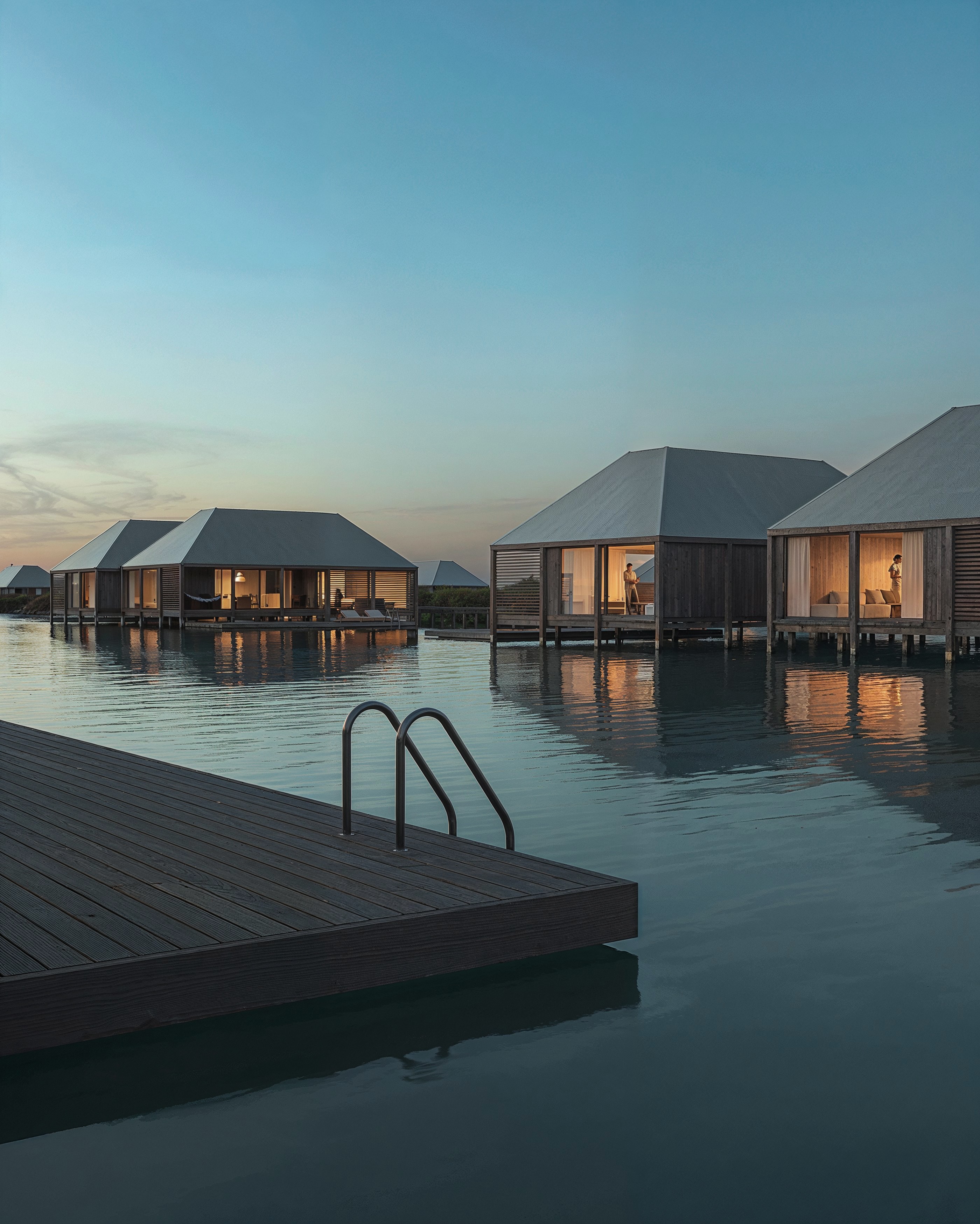
A masterplan for the transformation of an abandoned Portuguese salt production area into a new landscape hotel hovering over shallow brine ponds.
Set among a landscape of Atlantic pine forests and rice paddies, The `salina´ has a history of salt production dating back at least three hundred years but was abandoned in the early 2000´s and has since become overgrown by saltbush and other halophytic vegetation. The channels and ponds which wind around the 50ha site have since become breeding grounds for brine shrimp which in turn attract flocks of flamingos and oystercatchers.
Central to the project are the timber stilt houses, small cabins inspired by the traditional fisherman’s huts and jetties which dot the lagoons and rivers of Southern Portugal. The cabins are accessible by foot via winding elevated walkways or by boat or kayak. The cabins will be prefabricated off site from Portuguese CLT reducing the impact of the construction on the delicate landscape.
MAST’s vision for the site also includes the transformation of a dilapidated salt production building into a restaurant and spa and the introduction of a new cluster of agricultural buildings which are inspired by traditional Portuguese wooden salt storage warehouses.
These new agricultural buildings will service a section of the site which will be returned to operation and produce small batches of artisanal salt. This process, dating back millenia, involves channeling saltwater through a network of narrow channels, where it slowly evaporates until it settles in large ponds, leaving behind mineral rich salt deposits.
A public wooden walkway encircles the site and connects the different buildings along with a large section of the site which will be preserved as a wildlife refuge. The walkway will connect to a network of public trails and will include a spiraling birdwatching tower providing views across the wetlands and coast beyond.